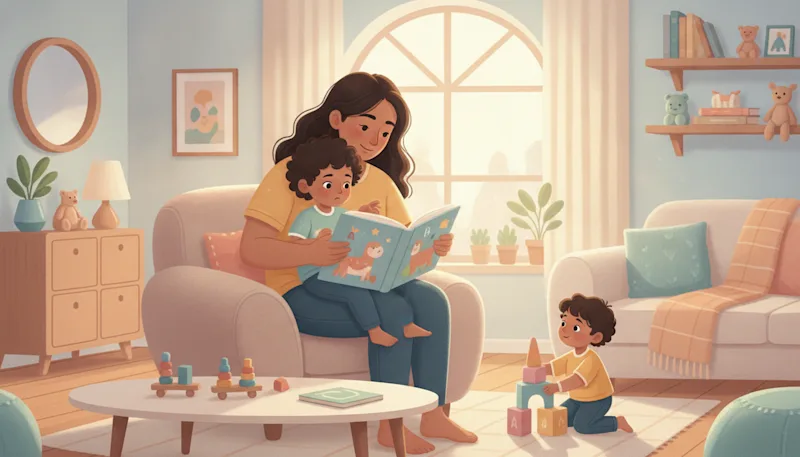
It used to take a village.
Grandparents down the street, aunties who'd been through it, neighbors who stepped in. Somebody always knew what to do, or knew someone who did.
We're not here to tell you how to parent. We're here to help you discover the resources that work best for you.
For parents, educators, and caregivers of kids ages 3–7.
Grandparents down the street, aunties who'd been through it, neighbors who stepped in. Somebody always knew what to do, or knew someone who did.
Now most of us piece it together from a feed: a thousand voices, and not one of them has met your kid.
You're raising a child, and most days, it's on you.
You shouldn't have to do it alone. So we're putting the village back together, one piece at a time.
Not one expert telling you what to do. A circle of resources around you and your family: the research, other parents, stories to read together, and help in your pocket. Keep what works for you.
Every post starts with what the research says about the behavior in front of you, then gives you something to try tonight.
Research SaysSome reactions are bigger than the moment calls for. Research says the real trigger might be older than your child.
Read the postEvery post ends with a question for the village. You're not the only one figuring this out.
Which of your child's behaviors is the most triggering for you?
Join to vote and see how other parents answered. Join the villagePoll voting is coming soon.
Asked on a post aboutManaging Big Feelings
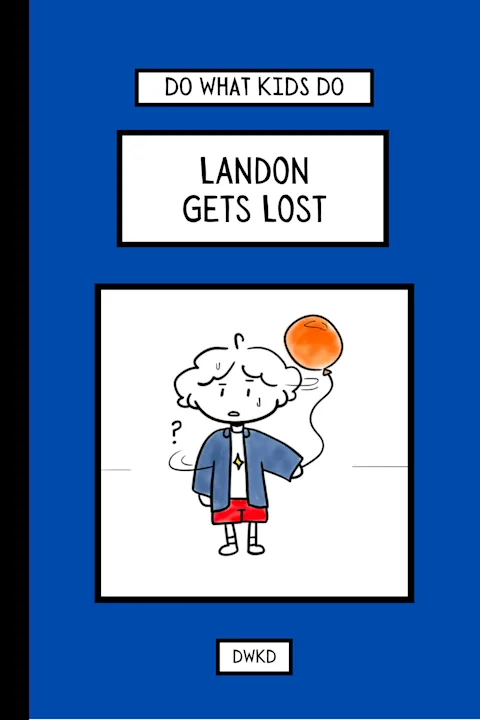
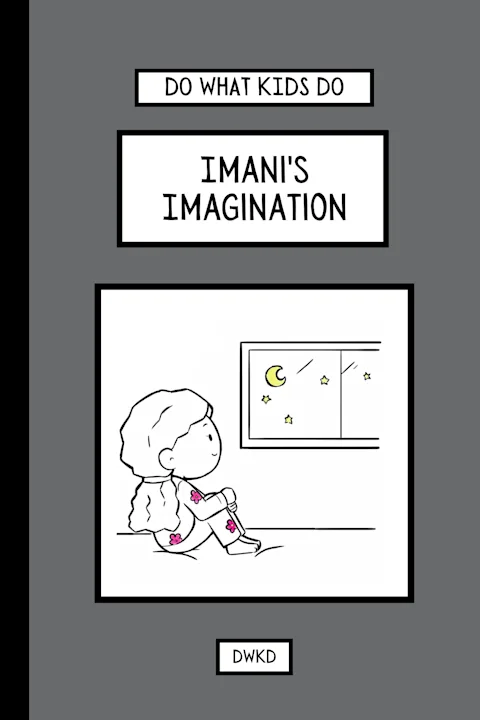
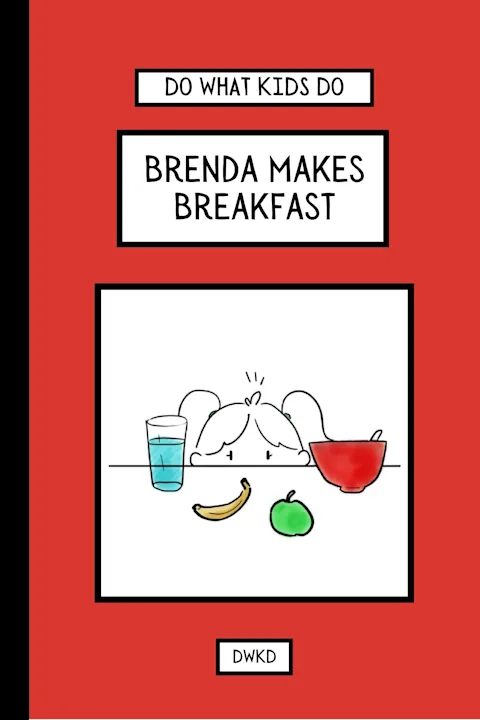
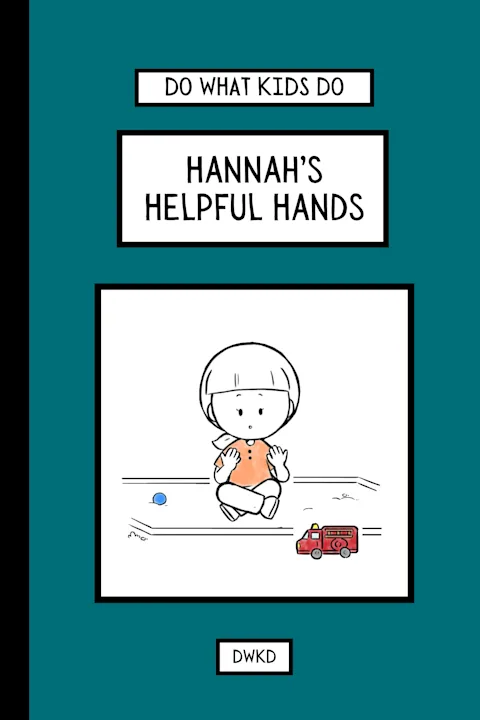
Picture books about everyday life skills, made for the couch. Read one with your kid, then talk about it.
Read together
Start with the behavior that's showing up at your house.

Santa Barbara's only nonprofit cooking school gives kids real knives, hot stoves and a seat at the table. We spent two days with founder Nancy Martz and executive director Jill Barton.

The internet is full of people telling you the one correct way to parent. We're not one of them.

Some reactions are bigger than the moment calls for. Research says the real trigger might be older than your child.

Reading risk can be spotted as early as kindergarten, yet many kids aren't identified until second grade or later.
That's where following DWKD leads. One post, one story, one conversation at a time, the village fills back in around you.
Just your email. Adding your child's age range and the areas you care about is up to you.
Joining gets you:
Coming soon:
Every post stays free to read, whether you join or not.