Do What Kids Do
About Us
We're here to help you discover the resources that work best for you.
We're Not Here to Tell You How to Parent.
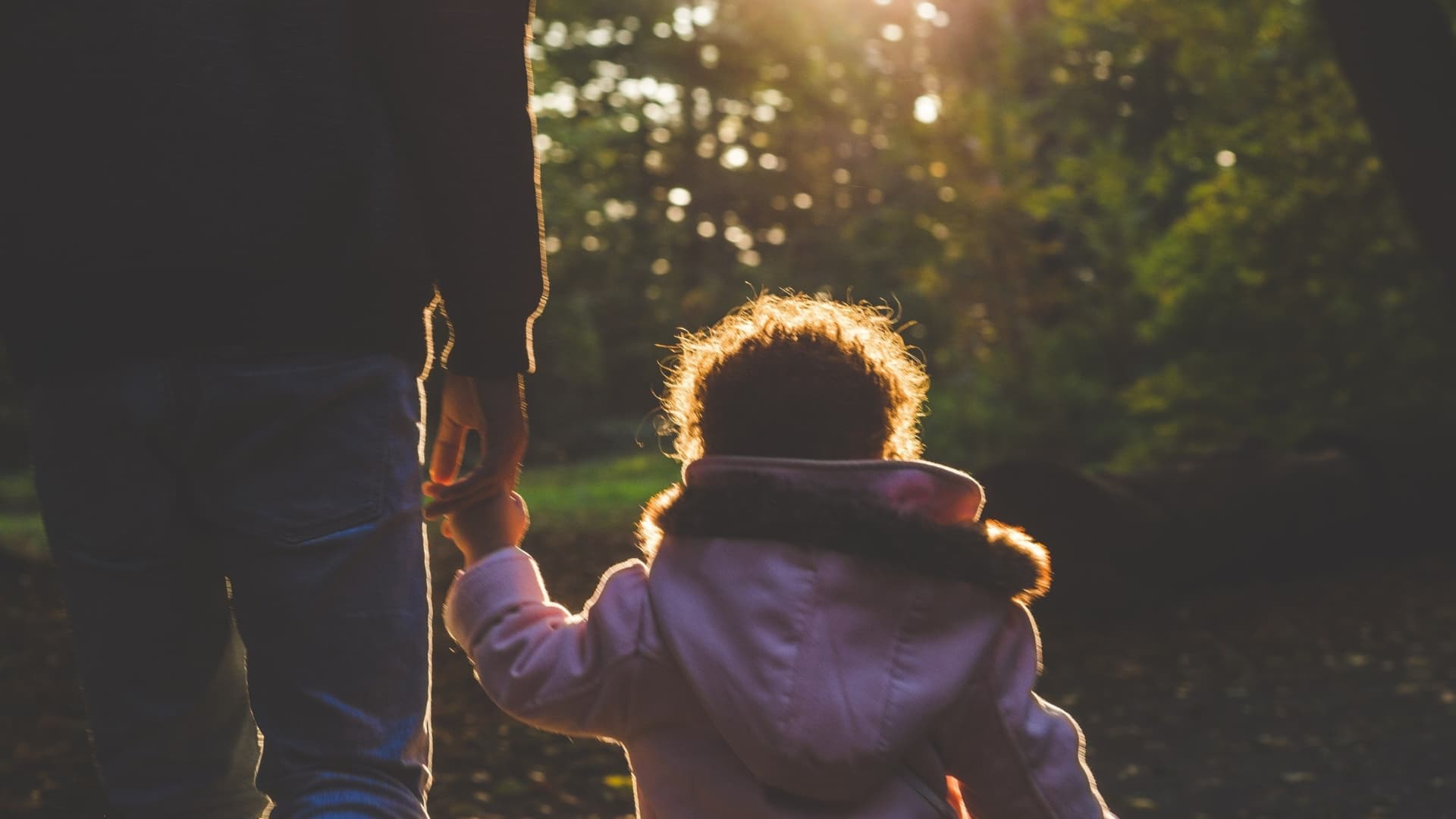
Every day, your child is doing something remarkable — figuring out a feeling, trying something hard, navigating a world that didn't come with instructions. And every day, you're right there beside them, doing your best with the time and energy you have.
DWKD exists for those pivotal moments.
We translate child development research into language real parents and educators actually use. We turn everyday situations — a new school, a new sibling, a rainy day gone sideways — into stories children recognize themselves in. And we give you the words, the tools, and the confidence to turn ordinary moments into something that lasts.
Because the most important lessons a child will ever learn won't happen in a classroom. They'll happen at breakfast. At bedtime. In the backseat on the way home from the park.
And we'll help you make the most of them.
Our Story
DWKD was founded in 2024 on one simple idea: Parents and educators don't need more advice. They need resources.
Co-Founder, Sanaz Aliassar received her Masters in Organizational Leadership and Learning from Pepperdine University, and spent 25+ years studying how children grow, how they learn, and what they actually need from the adults in their lives.
DWKD's other founder, Taji Morris, earned his business degree from Boston College and is a published author. For more than 15 years, he has helped build brands and produce digital media across several industries, including tech, music, TV, and film.
Together they founded Do What Kids Do, an early childhood development brand that meets parents and educators where they are, speaks like a trusted friend, and delivers resources that can be used today.
Our Principles: Do. What. Kids. Do.
Our name isn't just a name — it's our four principles, in order. In a hard moment, you can walk them like steps: Do. What. Kids. Do. The arc runs from you to your child — the lens, the pause, the conversation — and the last step is where it all lands: your child, practicing a skill until it's theirs.
This isn't a curriculum, and it isn't a program you have to follow. We're not here to tell you how to parent. These are principles you can bring to your own philosophy — take all four, or start with the one your family needs this week.
Do — Kids learn by doing.
Play is practice. Testing limits is research. The behavior that drives you up the wall is very often a skill under construction — independence finding its legs, a big feeling looking for a door.
In practice: Before responding to a behavior, name what might be growing right now. "That's not stubbornness — that's independence finding its legs."
What — What does this moment need?
The W is a pause with three questions inside it: What am I feeling right now? What's really going on with my child? What does this moment actually need? Children borrow their calm from the adults around them — they can't yet generate it alone in a hard moment. So the first move isn't directed at the child at all. It's your own breath, posture, and tone. You can't teach a skill you're not using.
In practice: One breath, one silent what — then respond. Lower your body, lower your voice. The child's storm doesn't need your thunder.
Kids — Kids are people. Talk with them, not at them.
Children are capable, curious, and worthy of respect — which means dialogue, not monologue. Questions over commands where possible. Real choices over false ones. Listening that expects the child to have something to say. This is how a child learns that their voice works.
In practice: Swap one command a day for a question. "What do you think happens if we leave the blocks on the stairs?" Or open a book and hand your child the ending: "What would you do?"
Do — Do it again. One skill, many moments.
Life skills aren't taught in a sitting. They're built in small reps across ordinary moments — mealtime, bedtime, the waiting room, the walk to school. So every principle ends in one small, doable action. There is always an action.
In practice: Pick one skill per week, not five. Look for three ordinary moments to practice it. Small reps, real growth.
Where the books come in
Storytelling is the practice field. A skill lands through a character before it lands through a correction: a child who watches a character face the wobbly first day, the shared toy, or the too-big feeling gets to rehearse life at a safe distance — and the adult reading along gets a way into a conversation a lecture may not open.
But the story doesn't transfer the skill by itself. It works when the reading is followed by a conversation that connects the character's moment to your child's own life, and a real, related action afterward. Books make the skill discussable — the reps outside the book make it theirs. That's the third and fourth principles, working together.
Our mission is that parents, educators, and caregivers feel confident in their ability to help raise all of our children — together.
Our Philosophy
We don't lecture. We don't prescribe. We don't believe there's one right way to raise a child.
What started as a series of children's books has grown into a full brand — stories, activities, and daily guidance — built around one goal: to make sure no one raising a child ever has to feel alone in doing so.
We believe children are capable of far more than we give them credit for. We believe parents are doing better than they think. And we believe the adults in a child's life — parents, teachers, aunts, uncles, grandparents, caregivers — are the most powerful force in early childhood development.
So that's where we stand: We're here to help you discover the resources that work best for you — noticing what you might miss, surfacing what the research actually says, and reminding you that you're exactly who your child needs.
Because raising all of our children is something none of us should have to do alone. We do it together.
— Do What Kids Do